Dog Friendly Co. No-Pull Harness Review: Does It Actually Stop Pulling?


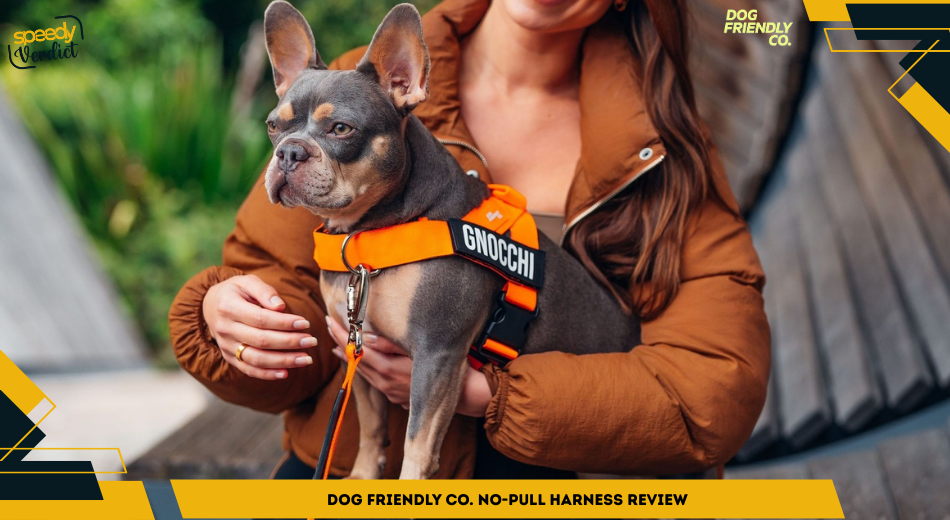
If your daily walks feel more like tug-of-wars, you’re not alone. Many dog owners struggle with pulling especially with enthusiastic, high-energy pups. That’s where a no-pull harness claims to make a real difference.
Today we’re looking at the No-Pull Dog Harness from Dog Friendly Co.. Does it truly help curb pulling? Or is it just another accessory that looks good but doesn’t deliver?
We’ll break down performance, comfort, build quality, and how well it actually works in real life.
Table of Contents
First Impressions
Out of the box, the No-Pull Dog Harness looks like a well-thought-out piece of gear. It doesn’t have a bulky, industrial appearance, but the materials and stitching feel solid. For many dog owners, that first impression matters a harness that looks sturdy already boosts confidence.
Design & Build Quality
The harness uses:
-
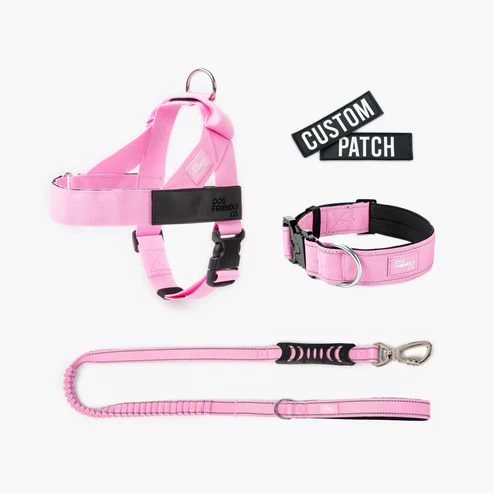
Adjustable straps for a secure fit
-
A padded chest panel for comfort
-
A front D-ring for no-pull control
-
A back D-ring for standard leash attachment
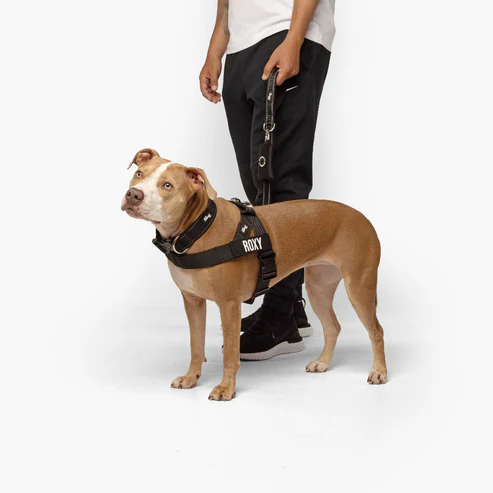
The construction feels durable enough for daily walks, including in rainy or muddy conditions. The adjustable straps help tailor fit for different body shapes important for large, small, or deep-chested breeds.
How the Front D-Ring Works
The biggest feature here is the front leash attachment point. Instead of attaching the leash to the back, you attach it to the front D-ring.
Why front attachment helps:
-
Redirects forward pull back toward you
-
Encourages your dog to turn toward you instead of lunging
-
Provides subtle steering without pain or choke
Effectively, it interrupts a dog’s forward momentum without uncomfortable pressure on the throat.
Comfort and Fit on Different Dogs
Comfort matters as much as control.
Most dogs tolerate this harness well because:
-
Padded chest distributes pressure evenly
-
Next to no pressure on the neck
-
Adjustable straps avoid rubbing under front legs
For a good fit:
-
Measure your dog’s girth and neck first
-
Adjust straps snug but not tight
-
Ensure no pinching as the dog moves
Several owners report that once properly fitted, their dogs stopped trying to wriggle out of it mid-walk a good sign.
Performance During Walks
Okay the big question: Does it stop pulling?
Here’s what typically happens:
Calm Walkers
Dogs that already walk politely usually continue to do so with little change needed.
Moderate Pullers
For dogs that pull occasionally, the front attachment discourages forward lunging. With consistent use, most owners see a noticeable reduction in pulling.
Strong Pullers
This is where the harness shines but it’s not magic. A strong-willed puller usually still pulls at first, but the front D-ring makes the leash direction work for you. Instead of a straight forward pull, the dog’s body slightly turns toward you, making forward tugging less efficient and less comfortable (without pain).
Many owners report that within a few consistent walks, leash tension starts easing up.
Pairing this harness with a gentle lead like a bungee leash helps absorb sudden jerks and reduces rein tension.
Training or Management Tool?
Important distinction: this harness doesn’t train your dog on its own. It’s a management tool that makes proper leash behavior easier.
The harness works best when combined with:
-
Positive reinforcement
-
Loose leash cues
-
Leisurely pace walking practice
-
Consistent redirection when pulling starts
If you expect instant obedience from day one, you’ll be disappointed with any gear training and consistency are still key.
Strengths and Weaknesses
Strengths
✔ Front leash attachment provides real control
✔ Comfortable for long walks
✔ Adjustable and usable on many body shapes
✔ Durable and everyday-ready
Weaknesses
✘ Not a replacement for training
✘ Initial adjustment period may be needed
✘ Doesn’t eliminate pulling instantly
Expert Tips for Best Results
-
Start inside or in a quiet area until your dog gets used to the harness
-
Use treats to reward loose leash moments
-
Keep the leash short but not tight let guidance come from gentle direction
-
Switch between the front and back D-rings as your dog improves
Consistency beats force every time.
Final Verdict
So does the Dog Friendly Co. No-Pull Harness actually stop pulling?
Yes it significantly helps reduce pulling for most dogs.
But it works best as part of a comprehensive approach that includes rewards, patience, and consistent walking habits.
For strong or enthusiastic pullers, the front D-ring makes leash tension more manageable and safer without choking or tugging around the neck. Combined with quality gear like a bungee leash and the brand’s overall comfort design, this harness is a smart investment for daily walks.
Trending Stories