Why Global Retailers Are Rapidly Switching to ESL Systems


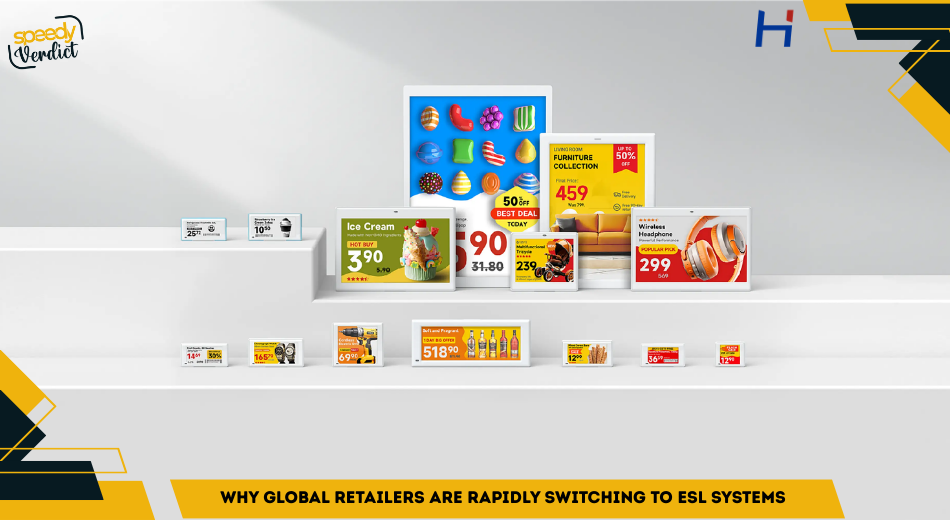
Walk into a modern supermarket or electronics store today and you’ll notice something different. Paper price tags are quietly disappearing, replaced by sleek digital displays that update instantly.
This shift is being driven by Electronic Shelf Label (ESL) systems, and major retail chains across the world are adopting them at record speed. Companies like Hanshow are helping power this transformation by delivering connected shelf technology at scale.
Let’s break down why ESL systems are becoming the new standard for global retail.
The Growing Pressure on Retail Operations
Retailers today are under more strain than ever before:
-
rising staff costs
-
thin profit margins
-
fast-changing prices
-
intense online competition
-
customer demand for transparency
Manual pricing simply can’t keep up anymore.
ESL systems solve this by automating what once took hours or even days.
The Real Cost of Paper Price Tags
Paper labels seem cheap, but over time they create massive hidden expenses:
-
labor hours spent replacing thousands of tags
-
pricing errors that lead to refunds and complaints
-
delayed promotions
-
printing waste
-
compliance risks when prices don’t match checkout systems
Large retailers can spend millions annually just managing paper tags.
ESL removes nearly all of that.
Instant Price Updates Across Entire Stores
With ESL systems, retailers can:
-
update prices in seconds
-
sync shelf prices with POS automatically
-
launch promotions instantly
-
adjust pricing based on demand or inventory
A headquarters team can push changes to thousands of stores at once.
This level of control is one of the biggest reasons global chains are switching.
Better Accuracy and Customer Trust
One of the top complaints in retail is mismatched prices between shelves and checkout.
ESL systems eliminate this problem because:
-
prices update digitally in real time
-
shelf and system always match
-
promotions apply automatically
This leads to:
-
fewer disputes
-
smoother checkout
-
higher customer satisfaction
Accuracy builds trust and repeat business.
ESL Systems Support Smart Store Technology
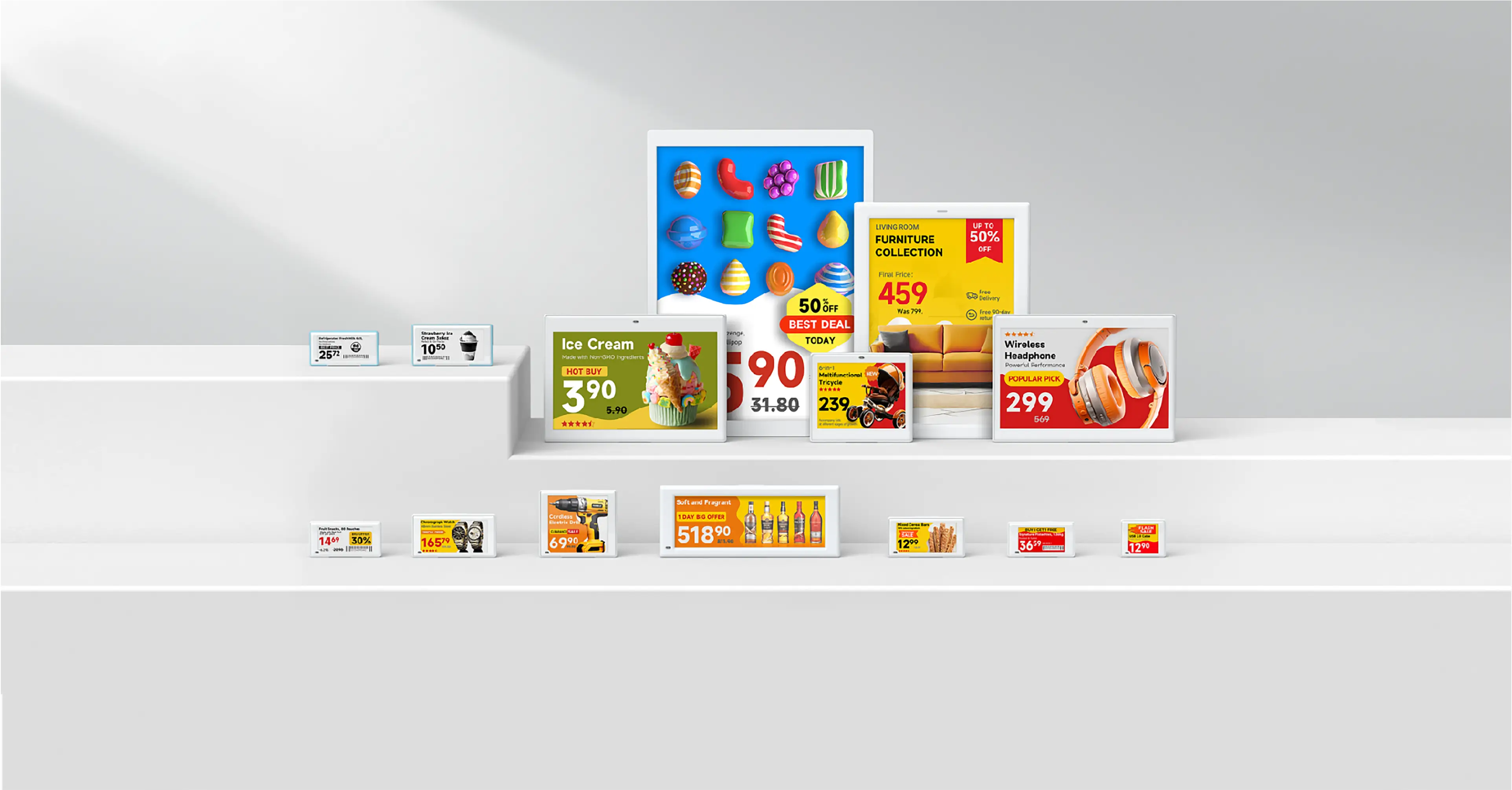
Modern ESLs are not just digital price tags.
Many now include:
-
LED lights for order picking
-
QR codes for product info
-
dynamic content for promotions
-
integration with inventory systems
Some advanced shelves even help staff locate products quickly for online orders.
This is a major step toward fully automated smart stores.
Labor Savings That Add Up Fast
Instead of teams walking aisles changing tags every week, staff can now focus on:
-
customer service
-
stocking
-
fulfillment
-
store cleanliness
Retailers report thousands of labor hours saved per store every year after switching to ESL.
For global chains, the savings are enormous.
Faster Promotions = Higher Revenue
Traditional pricing delays often mean:
-
late discounts on expiring products
-
slow seasonal promotions
-
missed sales opportunities
With ESL systems, retailers can:
-
launch flash sales instantly
-
reduce food waste with real-time markdowns
-
adjust pricing during peak hours
-
test promotions quickly
This flexibility directly boosts revenue.
Sustainability Is Another Big Driver
Global retailers are under pressure to reduce waste and emissions.
ESL helps by:
-
eliminating paper labels
-
reducing printing
-
lowering transportation for signage
-
cutting operational waste
Many companies use ESL adoption as part of their sustainability goals.
Why Adoption Is Accelerating Worldwide
The main reasons global retailers are switching faster than ever:
-
proven return on investment
-
rising labor costs
-
smart store strategies
-
customer experience improvements
-
environmental benefits
What once seemed like new technology is now becoming standard infrastructure.
Final Thoughts
Electronic Shelf Label systems are no longer just a tech upgrade. They’re becoming a core part of modern retail operations.
Global retailers are adopting ESL because they deliver:
-
instant pricing control
-
major cost savings
-
better customer experience
-
smarter inventory management
-
sustainable operations
As smart stores continue to grow, ESL systems will soon be as common as barcode scanners.
Trending Stories