How to Build a Sustainable Fitness Routine in 2026 — A Practical Guide



Consistency beats intensity.
No matter how great a workout program looks online, it won’t matter if you can’t stick with it. That’s the idea behind sustainable fitness training you can maintain over months and years, not just weeks.
Brands like MerachFit focus on routines, gear, and programs that make fitness part of daily life not something you dread. In this article, we’ll walk through how to build a fitness routine that fits your schedule, keeps you motivated, and helps you see lasting results.
Table of Contents
-
Why Sustainable Fitness Matters
-
Setting Realistic Fitness Goals
-
Choosing Workouts You Enjoy
-
Balancing Strength, Cardio & Mobility
-
Tracking Progress Effectively
-
Nutrition and Recovery Basics
-
How Fitness Gear Can Support Consistency
-
Week-by-Week Routine Template
-
Common Mistakes to Avoid
-
Final Thoughts
Why Sustainable Fitness Matters
Short bursts of motivation often lead to:
✔ Burnout
✔ Injury
✔ Lost momentum
Sustainable fitness, on the other hand, is built on habits you can realistically follow long term. It doesn’t mean slow progress it just means progress you keep.
The difference shows over:
-
3 months
-
6 months
-
1 year
This is when habits matter more than intensity.
Setting Realistic Fitness Goals
Before jumping into workouts, clarify what you want and make it measurable.
Good goals are:
-
Specific – “I want to walk 30 minutes daily”
-
Measurable – “I want to increase strength by 10% in 12 weeks”
-
Achievable – fits current lifestyle
-
Relevant – aligned with your priorities
-
Time-bound – has a deadline
Writing your goals down boosts accountability and keeps you focused on progress, not perfection.
Choosing Workouts You Enjoy
Hating your workout is a fast path to giving up.
Instead, ask:
-
Do I like moving my body this way?
-
Does it make me feel better afterward?
-
Can I fit it into my schedule?
If the answer is yes, you’re more likely to stick with it.
Examples of enjoyable activities:
-
Strength training
-
Walking or hiking
-
Dance, Zumba, or aerobics
-
Biking
-
Yoga or stretching flows
A routine doesn’t need to be perfect just consistent.
Balancing Strength, Cardio & Mobility
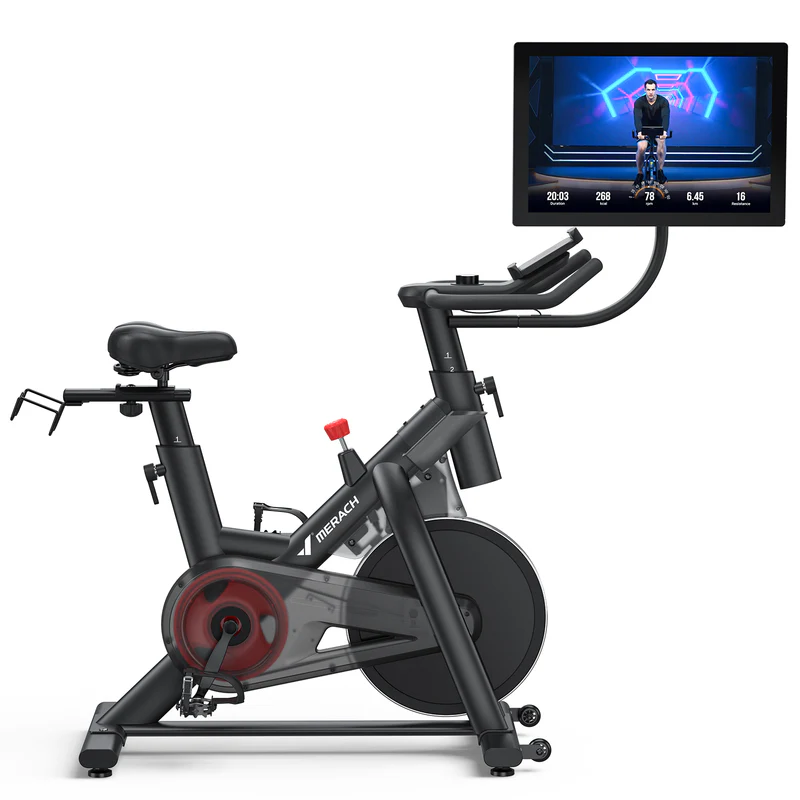
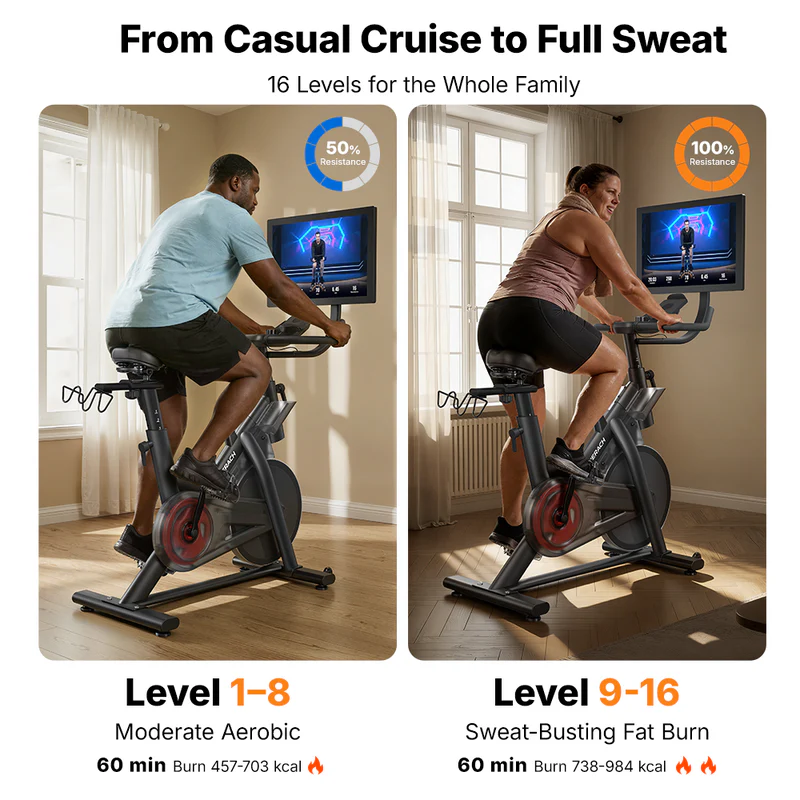
A balanced fitness routine includes three pillars:
Strength Training
Builds muscle, boosts metabolism, supports joint health.
Cardiovascular Activity
Good for heart health and stamina.
Mobility & Flexibility
Reduces injury risk and supports daily movement.
You don’t need to do all three every day. But a weekly mix keeps your body functioning well overall.
Tracking Progress Effectively
You can’t improve what you don’t measure.
Ways to track progress include:
-
Training logs
-
Performance goals (weights, reps, distances)
-
Photos or measurements
-
How clothes fit
-
How you feel
Tracking shifts your focus from appearance to performance which supports long-term habits.

Nutrition and Recovery Basics
Movement is only part of the equation. Nutrition and recovery fuel your progress.
Nutrition
Focus on:
-
lean proteins
-
whole grains
-
vegetables & fruits
-
sufficient hydration
-
balanced macros
You don’t need extreme diets just consistent, nutrient-dense choices most days.
Recovery
Sleep and rest days matter as much as workouts. Aim for:
-
7–9 hours of sleep
-
Active recovery (light walks, stretching)
-
Rest days between intense sessions
Recovery supports muscle repair, energy, and motivation.
How Fitness Gear Can Support Consistency
Small investments can make big differences in your routine.
Examples include:
-
Compression or breathable workout apparel
-
Supportive shoes
-
Resistance bands for home workouts
-
Adjustable dumbbells
-
Activity trackers to log sessions
The right tools reduce friction and make working out easier to start and harder to skip.
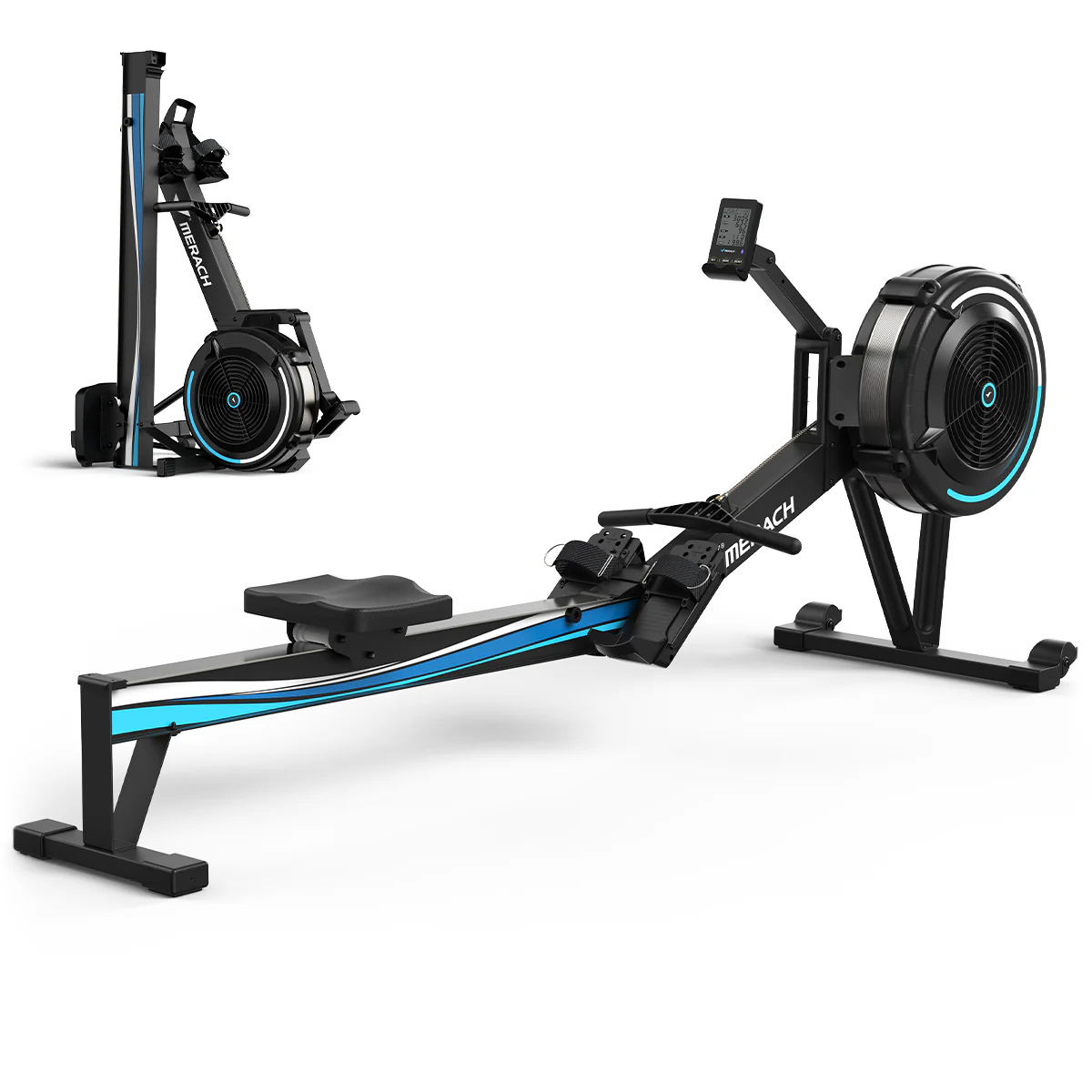
MerachFit designs gear focused on comfort, durability, and everyday use, helping keep fitness momentum alive without extra hassle.
Week-by-Week Routine Template
Here’s a simple routine structure you can follow:
Day 1: Strength – Full Body
Day 2: Cardio – Brisk Walk or Cycling
Day 3: Mobility + Core Work
Day 4: Strength – Lower Body
Day 5: Cardio + HIIT (light/moderate)
Day 6: Active Recovery
Day 7: Rest or Gentle Movement
Modify intensity, duration, and rest based on your schedule and fitness level.
Common Mistakes to Avoid
1. Skipping Warmups
Warmups protect joints and improve performance.
2. Chasing Quick Fixes
There are no substitutes for regular movement and balanced nutrition.
3. Ignoring Recovery
Rest isn’t optional it prevents burnout and injury.
4. Comparing Yourself to Others
Progress is personal, not competitive.
Final Thoughts
A sustainable fitness routine isn’t about perfection. It’s about consistency, adaption, and progress that fits into your real life.
When workouts fit your schedule, gear supports your efforts, and goals stay realistic, you create a cycle that lasts.
As 2026 brings new approaches to wellness, the core remains the same: movement that feels good, supports your goals, and becomes part of your everyday rhythm.
You don’t need extremes you just need consistency.
Trending Stories